
Blog

Why Cooking Oil Collection is Essential for Fast Food Restaurants
Used cooking oil collection and disposal is an essential part of kitchen operations for fast food restaurant owners. Managing cooking oil collection responsibilities will help keep the kitchen clean and staff from getting overwhelmed. Here are some reasons why getting...

Essential Principles of Commercial Kitchen Design
A poorly designed commercial kitchen can cause headaches for staff and can even be dangerous. Because of this, it’s important to consider commercial kitchen design carefully when opening a new restaurant or re-designing an industrial space. With the right layout and...
Who’s Responsible for Grease Trap Cleaning?
Commercial kitchens are required to install grease traps on-site to prevent grease and similar substances from going down the drain. Restaurant cooking generally produces fats, oils, and grease (FOG) that can end up in the kitchen drain system. Grease traps intercept...

Eco-friendly Restaurant Practices
Restaurant sustainability practices can help restaurants of all sizes limit their impact on the environment. There is increasing awareness around the importance of eco-friendly approaches in the food-service industry and how they can play a big part in improving the...
How to Keep Restaurant Kitchen Workflow Moving
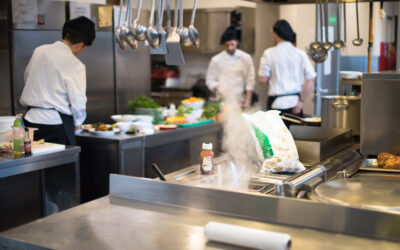
Things move very fast in a restaurant kitchen and small disruptions back-of-house have the potential to cause ripple effects throughout a shift. Making sure things run smoothly can often come down to optimizing your kitchen layout, using a clear communication...

Restaurant Oil Recycling: Step-By-Step
Restaurants generate a considerable amount of used cooking oil everyday. Because of this, used cooking oil collection and disposal is an essential part of operations. The used oil can also be recycled and processed into biofuels to help protect the environment. If...
Benefits of Responsible Oil Management for Restaurant Owners
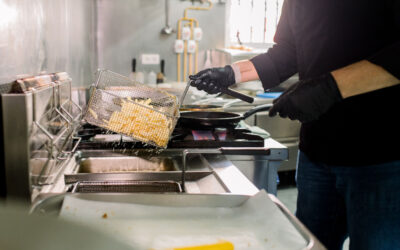
The world of food-service is fast and life in the kitchen can get busy. There’s always a lot to do to keep customers happy so it can be easy to push tasks like restaurant fryer oil disposal off. The problem is, this mundane item is critical to restaurant operations...

Restaurant Sustainability Strategies
Sustainability is becoming more than a trend and adopting an eco-friendly approach to running a restaurant can have a number of benefits. Many restaurant owners feel that changes are out-of-reach but even smaller steps can have an impact. Things like reducing waste,...

Best Ways to Keep a Commercial Kitchen Safe
Commercial kitchens present numerous potential hazards to the individuals that work in them. Managing these dangers properly will make your commercial kitchen a safer place to work. It’s important for staff to reduce the risk of injuries from slips, falls, and burns...

How To Develop a Restaurant Cleaning Schedule
Unsanitary conditions and other messes can quickly take over a restaurant kitchen and should be avoided at all costs. It’s one thing to have cleaning supplies on-hand but things can quickly pile up so it’s important to have a plan in place to keep your kitchen clean....